
 English
  German
  Italian
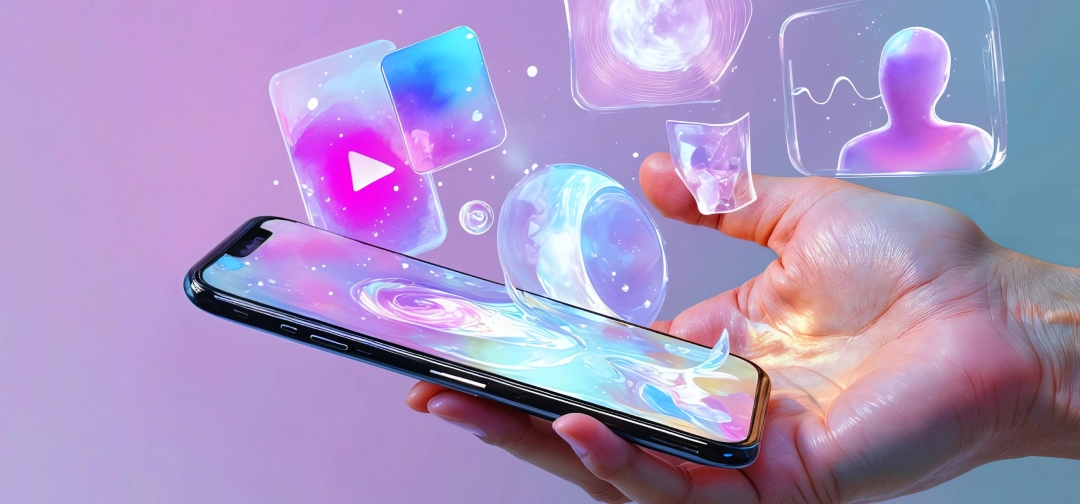
Crafting Immersive User Experiences with UX/UI Design
In a world where digital interactions are at the heart of how we live, work, and play, creating immersive user experiences (UX) has never been more important. Whether it’s a website, mobile app, or digital product, UX/UI design plays a crucial role in shaping how users feel, think, and engage with a brand or service. But how exactly do you craft a user experience that’s not only functional but immersive and memorable?
Let’s explore how UX/UI design is redefining the way users interact with technology and why an immersive approach can be a game-changer for businesses and users alike.
- The Foundation: Understanding the User Journey
Before you can design an immersive experience, you need to understand who your users are and how they interact with your product or service. This is where User Experience design starts.
By mapping out the user journey, UX designers analyse each step a user takes — from the moment they land on a page to the actions they take throughout their interaction. The goal is to identify pain points, streamline the process, and ensure that every step feels intuitive and seamless. When users don’t have to think about what to do next, the experience becomes more immersive and enjoyable.
Imagine visiting a website that immediately responds to your needs, with intuitive navigation, quick access to the information you’re looking for, and smooth transitions. This kind of experience pulls users deeper into the content, removing friction and making them feel connected to the brand.
- Blending Functionality with Aesthetics
While User Interface design focuses on the visual aspects of the digital experience, its true power lies in how it merges aesthetics with functionality. Immersive experiences don’t just look good — they work flawlessly. A well-crafted interface is visually appealing, but it also ensures that the user can easily interact with the product.
Think of UI as the digital world’s first impression. It’s the colours, typography, spacing, and layout that create an emotional connection with users. But more than just being pretty, UI design guides users through the interface effortlessly. Every button, icon, and image should have a purpose, leading users to engage in the way the designer intended.
For example, a sleek, minimalist design may communicate a sense of luxury, while playful illustrations and bold colours might convey a fun, approachable brand. The key is in the balance — ensuring the design reflects the brand’s personality while keeping the user’s experience at the forefront.
- Interaction Design: Creating Dynamic Experiences
At the heart of immersive UX is interaction design. It’s not just about what users see but how they interact with the interface. Micro-interactions — such as hover effects, animations, or subtle sound feedback — enhance the overall experience by making it more dynamic and engaging.
These small details often go unnoticed but make a significant impact on how users feel. For example, a button that subtly changes colour when hovered over gives users immediate feedback, reinforcing their actions. Or, an animation that plays when a task is completed gives users a sense of accomplishment. These micro-interactions make the experience more human, intuitive, and enjoyable.
In immersive UX design, these interactions are used to delight users and keep them engaged, turning a simple action into a memorable experience.
- Personalization: Tailoring the Experience to the User
In today’s digital landscape, personalization is key to creating immersive experiences. Users want to feel like the product or service they’re interacting with is tailored to them. UX/UI design plays a huge role in delivering this.
Personalization can range from simple changes — such as greeting users by name or showing them content based on their previous behaviour — to more complex interactions, like recommending products or features based on their preferences. The more the experience feels personal, the more immersed the user becomes.
Spotify, for instance, uses personalization effectively by curating playlists based on the user’s listening habits. This tailored approach makes users feel like the platform “knows” them, creating an experience that’s both immersive and highly relevant.
- Responsiveness Across Devices
An immersive experience must be consistent, no matter where the user interacts with it. Whether on a desktop, mobile, or tablet, the user experience should feel seamless across all devices. This is where responsive design becomes crucial.
Responsive design ensures that the interface adapts to various screen sizes and devices, maintaining a consistent user experience. For example, a mobile version of a website may feature simplified navigation or larger buttons to accommodate touchscreens while still offering the same core functionality as its desktop counterpart.
By optimising the user interface across devices, brands can keep users engaged no matter where they access the experience.
- Accessibility: Designing for Everyone
A truly immersive experience is one that everyone can enjoy. Accessibility is essential in UX/UI design to ensure that users of all abilities can engage with your digital product. From colour contrast to screen reader compatibility and keyboard navigation, UX/UI designers must consider how to make the experience inclusive for all users.
By prioritising accessibility, you’re not only making the experience more immersive for users with disabilities, but you’re also showing your commitment to inclusivity, which can foster greater brand loyalty.
Final Thoughts
In a world where users are constantly bombarded with digital content, crafting an immersive user experience is the key to standing out. Through thoughtful UX/UI design, brands can create experiences that are not only functional and beautiful but also deeply engaging. By blending seamless functionality, dynamic interactions, personalization, and accessibility, UX/UI design elevates digital products into experiences users can’t help but return to.
Whether you’re designing a website, app, or product interface, remember that immersion is more than just aesthetics — it’s about making users feel connected, understood, and effortlessly engaged.